 Chenlv Herb
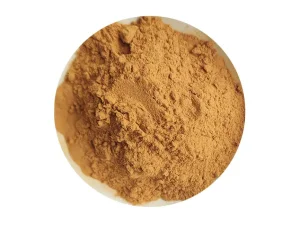
Industrial Whitepaper: The Landscape of Plant Extract Sourcing in the Switzerland Market
In the modern global health economy, Switzerland stands as the benchmark for quality, safety, and strict regulatory standards. The country's robust phytopharmaceutical, nutraceutical, and cosmetic industries depend heavily on high-purity botanical raw materials. Sourcing plant extracts for the Swiss market demands more than just identifying suppliers—it requires a deep alignment with the principles of scientific standardization, clinical research validation, and uncompromising compliance with European Union and Swissmedic regulatory frameworks.
The Switzerland Botanical Extract Market: Local Industrial Status
Switzerland holds a unique position in Europe. While it participates in the broader European market dynamics, Swiss regulations (managed by Swissmedic) for herbal medicinal products and food supplements are among the most stringent in the world. The domestic Swiss market is driven by a highly educated consumer base that demands transparent labeling, sustainable supply chains, and clean formulas (often requiring compliance with Bio Suisse standards). High-end cosmetics brands operating out of the Lake Geneva area ("Cosmetics Valley") and advanced phytopharmaceutical firms in Basel and Zurich require standardized active molecules to maintain their reputation for premium quality. Given high local production costs, Swiss enterprises rely heavily on global strategic partners who can provide certified, clean-label raw materials at scale.
Global Market Outlook: The Rise of Standardized Phytochemicals
Globally, the plant extract market has graduated from simple herbal powders to highly standardized, fractionated active molecules. Sourcing managers in Switzerland are moving away from traditional broker networks and establishing direct collaborations with primary manufacturers. This shift is driven by the need to secure reliable supplies of adaptogens, anti-inflammatory agents, and metabolic enhancers that can pass rigorous screening for pesticide residues, heavy metals, PAHs (Polycyclic Aromatic Hydrocarbons), and microbial purity. As functional foods and preventative healthcare gain market share, plant extract manufacturers must utilize state-of-the-art analytical equipment to verify batch-to-batch consistency.



 01
01
 02
02
 03
03
 04
04
 05
05
 06
06
 07
07