Featured botanical extracts formulated and optimized to meet the high standards of Sri Lankan industrial buyers.
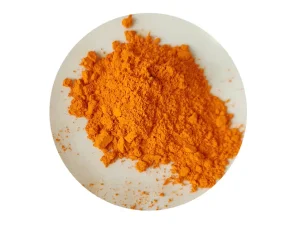
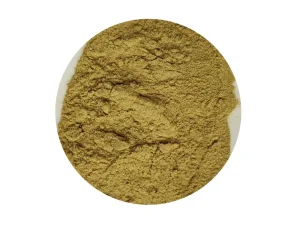
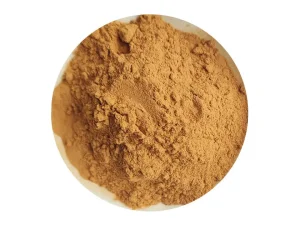
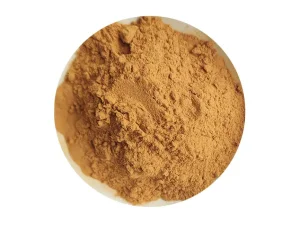
Sri Lanka's industrial bio-manufacturing and wellness landscape is experiencing a profound paradigm shift. Historically rooted in traditional indigenous medicine systems such as Deshiya Chikitsa and Ayurveda, the contemporary Sri Lankan market is rapidly shifting toward scientific validation and standardized natural compounds. Under the regulatory oversight of the Sri Lankan Department of Ayurveda and the National Medicines Regulatory Authority (NMRA), manufacturers of pharmaceuticals, dietary supplements, cosmetics, and functional foods are modernizing their product pipelines to satisfy both domestic demand and export-oriented wellness markets in North America, Western Europe, and East Asia.
However, the local raw material supply chain faces structural limitations. While Sri Lanka boasts rich biodiversity, local manufacturing scale for highly standardized active compounds is limited. This creates a critical raw material gap for prominent Sri Lankan wellness manufacturers. Sourcing standardized ingredients such as High-Purity Andrographolides, Gicenosides, Oleuropein, and Catechins is necessary for producing competitive product lines. As a result, the commercial relationship between Chinese precision smart extraction facilities and Sri Lankan formulators is key to modernizing Sri Lanka’s bio-economy.
Formulating classical preparations like Sudarshana and Samahan with standardized actives to improve chemical consistency across batches.
Enhancing traditional exports by enriching specialty black and green teas with active botanicals like Ginseng, Maca, and Rhodiola.
Supplying local personal care brands with active botanical ingredients like Olive Leaf Extract and Chamomile Extract.
A primary challenge in utilizing raw plant powders in tropical zones like Sri Lanka (particularly in high-humidity areas like Colombo and Gampaha) is batch instability and low concentration of active compounds. Raw botanical powder is prone to fungal contamination under high relative humidity. To address this, Chengdu Chenlv Herb uses a technical approach focused on high-ratio concentration and specific standardization of key active markers using advanced extraction systems.
Our extraction methodologies are structured to target and isolate desired phytochemical profiles. For instance, in our Rhodiola Rosea Extract, we standardize Rosavin and Salidrosides to precise percentages. In our Olive Leaf Extract, the focus is on maintaining a high percentage of Oleuropein, which acts as a powerful natural antioxidant. The extraction processes utilize closed-loop continuous countercurrent extraction, supercritical carbon dioxide extraction, and ceramic membrane separation to remove heavy starches and inactive proteins. This creates a highly soluble, concentrated extract that is stable even in humid environments.
The table below details the target standardization levels and primary testing protocols implemented for our key product lines entering the Sri Lankan logistics hubs:
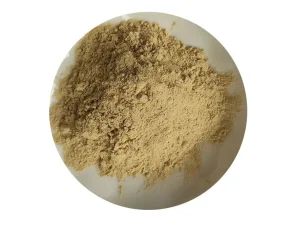
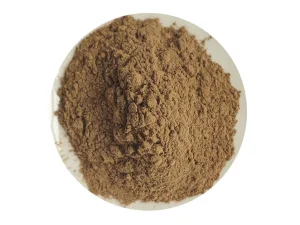
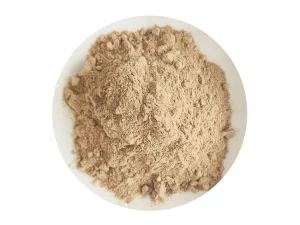
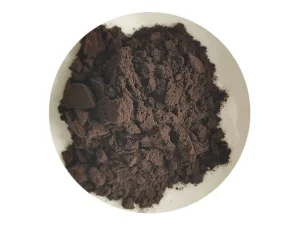
Specific extracts designed for advanced formulations in health care, cosmetics, and pharmacology.
For B2B buyers in Colombo, sourcing botanical extracts requires a partner with strong supply chain resilience. Chengdu Chenlv Herb operates a 9,514 square meter automated production plant. Built under GMP standards, our facility utilizes computerized continuous monitoring of critical parameters: extraction temperature, pressure, dwell time, and solvent ratio are recorded in real-time to ensure batch-to-batch consistency.
Our raw materials are sourced from GAP-certified (Good Agricultural Practices) farming bases. This ensures that herbs are grown without heavy chemical fertilizers. We maintain complete traceability from the farm to the shipping container loaded for the Colombo Port (JCT/CICT Terminals). By utilizing advanced automation and smart supply logistics, we minimize lead times, reduce human error in batch processing, and maintain a large inventory of hot-sale extracts to buffer against market fluctuations.
The regulatory pathway for raw pharmaceutical and cosmetic ingredients in Sri Lanka is highly detailed. To clear Sri Lanka Customs and receive approvals from the National Medicines Regulatory Authority (NMRA) and the Department of Ayurveda, shipments must be accompanied by comprehensive quality dossiers. Chengdu Chenlv Herb provides complete documentation support with every batch, including Certificate of Analysis (COA), Technical Data Sheets (TDS), Material Safety Data Sheets (MSDS), and allergen statements.
We ensure strict control over heavy metals and pesticide residues. Since Sri Lankan exporters often target strict markets like the European Union and Japan, our products are processed to meet European Pharmacopoeia (EP) limits for pesticide residues and USP limits for heavy metals (Arsenic < 1.0 ppm, Lead < 3.0 ppm, Cadmium < 0.5 ppm, Mercury < 0.1 ppm). Additionally, all packaging is designed for tropical transit: vacuum-sealed double-layer food-grade polyethylene interior bags packed inside fiber drums, with desiccant packs to prevent moisture ingress during shipping and storage.
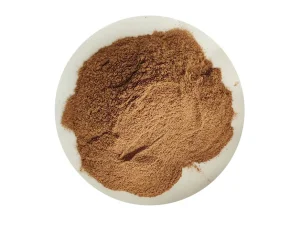
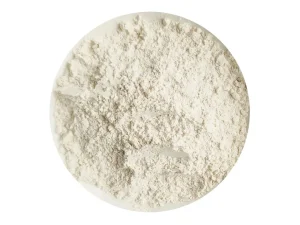
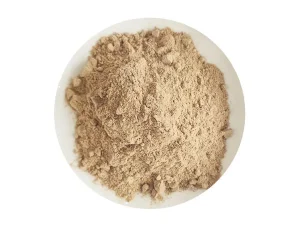
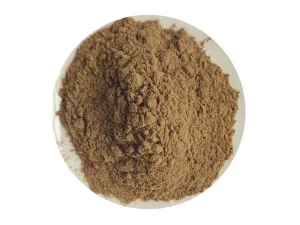
Standardized raw botanical materials for pharmaceutical, veterinary, cosmetic, and nutritional applications.
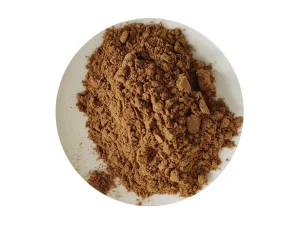
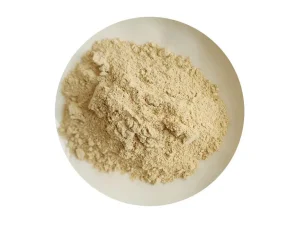
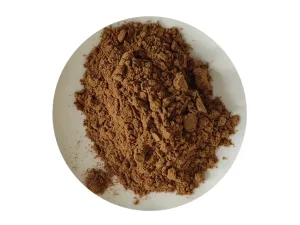
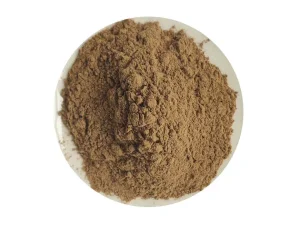
Technical answers to streamline procurement, import, and regulatory validation for our plant extracts.
 Chenlv Herb