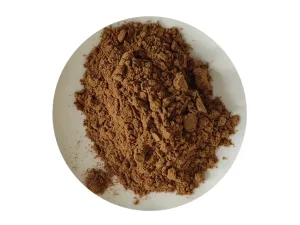
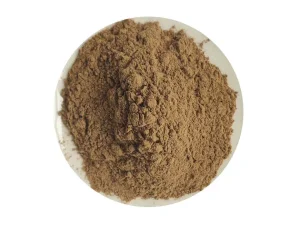
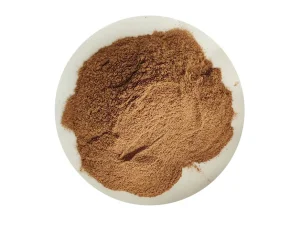
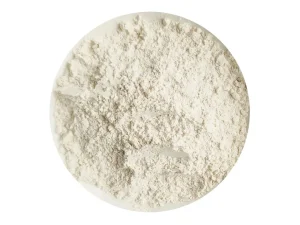
 Chenlv Herb
Deep Analysis: Sourcing Plant Extracts in the Evolving Vietnamese & Global Markets
In the wake of shifts toward clean label ingredients, green chemistry, and standardized bio-actives, the global trade of botanical ingredients is undergoing a profound structural change. Specifically, the Southeast Asian corridor, led by Vietnam's rapid industrialization in pharmaceuticals, animal feed additives, functional foods, and cosmetics, is presenting massive sourcing challenges alongside immense commercial opportunities.
1. Industrial Status of Plant Extracts in the Vietnam Market
Vietnam represents one of the fastest-growing markets for dietary supplements and functional ingredients in ASEAN. With a population exceeding 98 million and a rising middle class concentrated in urban hubs like Ho Chi Minh City, Hanoi, and Da Nang, consumer consciousness regarding preventative health is at an all-time high. Vietnam's Traditional Medicine (known locally as Đông Y or Y học cổ truyền) has historically relied on raw herbal decoctions. However, modern Vietnamese pharmaceutical and supplement manufacturers are rapidly upgrading to industrialized, standardized extracts.
In addition to human wellness, Vietnam's agriculture and aquaculture sectors are actively modernizing. The Mekong Delta region is a primary global exporter of whiteleg shrimp (Litopenaeus vannamei) and catfish (Pangasius). Under strict new regulations from the Vietnamese Ministry of Agriculture and Rural Development (MARD), the use of preventive chemical antibiotics in aquaculture and livestock feed is highly restricted. Consequently, there is an escalating demand for phytogenic feed additives (PFAs), such as Macleaya cordata extract, which contains isoquinoline alkaloids (principally sanguinarine and chelerythrine) that act as natural growth promoters and anti-inflammatory compounds.
Key Insight: Vietnam's domestic botanical extraction infrastructure remains limited in scale. The market depends heavily on advanced import channels from highly developed extraction operations in China that offer certified chemical purity and competitive price points.
2. Global Sourcing Trends & Industrial Landscape
Globally, the market for botanical extracts is expected to grow at a compound annual growth rate (CAGR) exceeding 8.5% over the next decade. Major Western markets (US and European Union) are imposing rigorous regulatory frameworks focused on traceability, sustainability, and quality control. European Food Safety Authority (EFSA) mandates and US FDA GRAS (Generally Recognized as Safe) guidelines require manufacturers to prove not only the efficacy of active ingredients but also the complete absence of hazardous processing contaminants.
This global paradigm shift has highlighted the critical importance of standardized chemical profiles (e.g., specific concentrations of rosavins in Rhodiola, oleuropein in Olive Leaf, or ginsenosides in Ginseng) over simple ratio extracts (such as 10:1 or 20:1). Global procurers now demand high-throughput analytical validation including High-Performance Liquid Chromatography (HPLC), Gas Chromatography-Mass Spectrometry (GC-MS), and Inductively Coupled Plasma Mass Spectrometry (ICP-MS) for heavy metal profiling.
3. Sourcing Strategy: The Efficiency Advantages of Chengdu Chenlv Herb
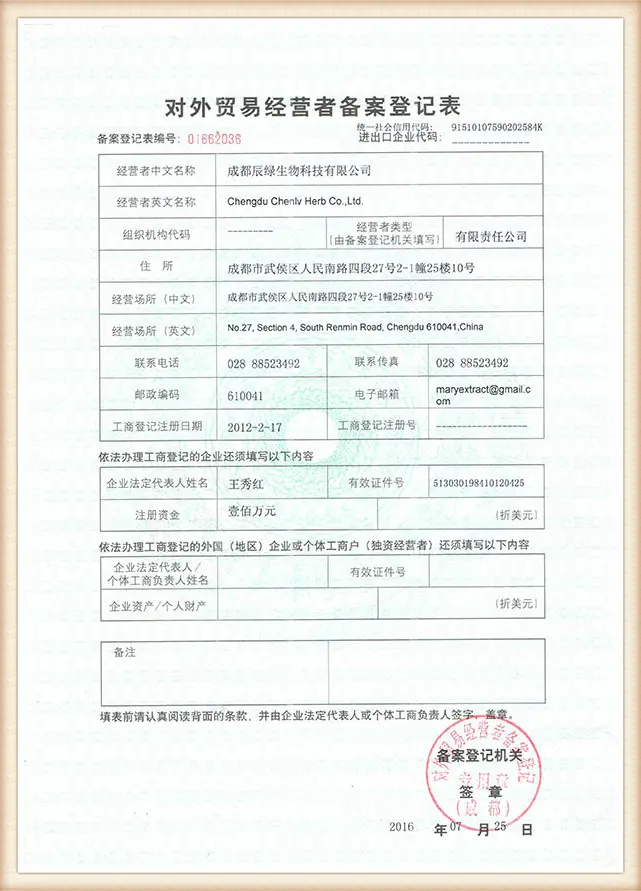
Chengdu Chenlv Herb Co., Ltd. has established itself as an industry leader by optimizing the supply chain path from raw botanical sourcing to advanced molecular extraction. Situated in Chengdu, Sichuan, Chenlv Herb leverages its geographical proximity to the diverse botanical reserves of Southwest China and the Tibetan Plateau. This direct access ensures the availability of high-quality wild-harvested and strictly monitored cultivated raw plants, such as high-altitude Rhodiola Rosea and premium Ginseng.
Our production facilities stand out globally due to:
- Advanced Continuous Countercurrent Extraction: High-throughput, fully automated lines that maximize active compound yield while dramatically reducing solvent and energy consumption compared to traditional batch extraction.
- Precision Standardization: The capability to guarantee precise concentrations of specific active compounds, such as 60% Sanguinarine in Macleaya cordata extract or up to 20% Oleuropein in Olive Leaf extract.
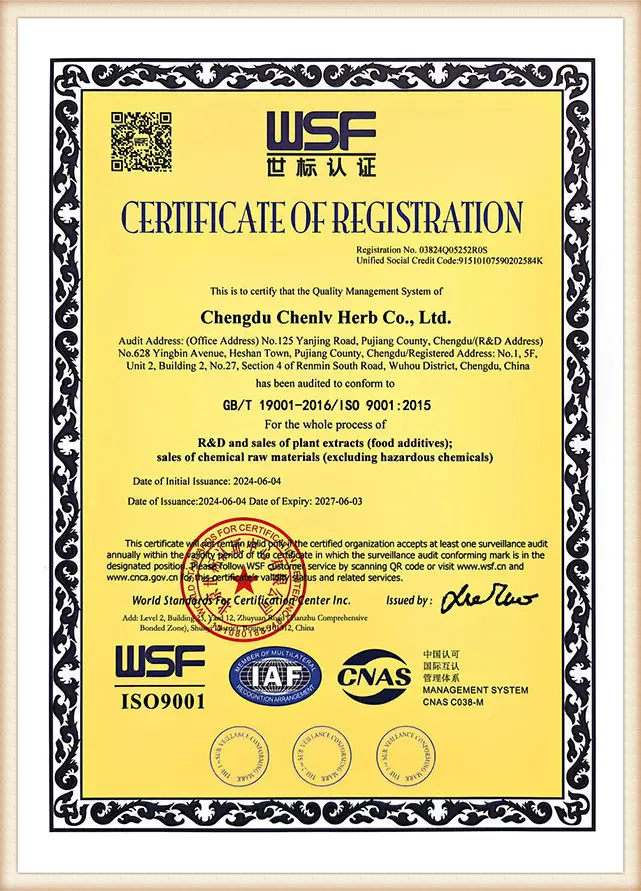
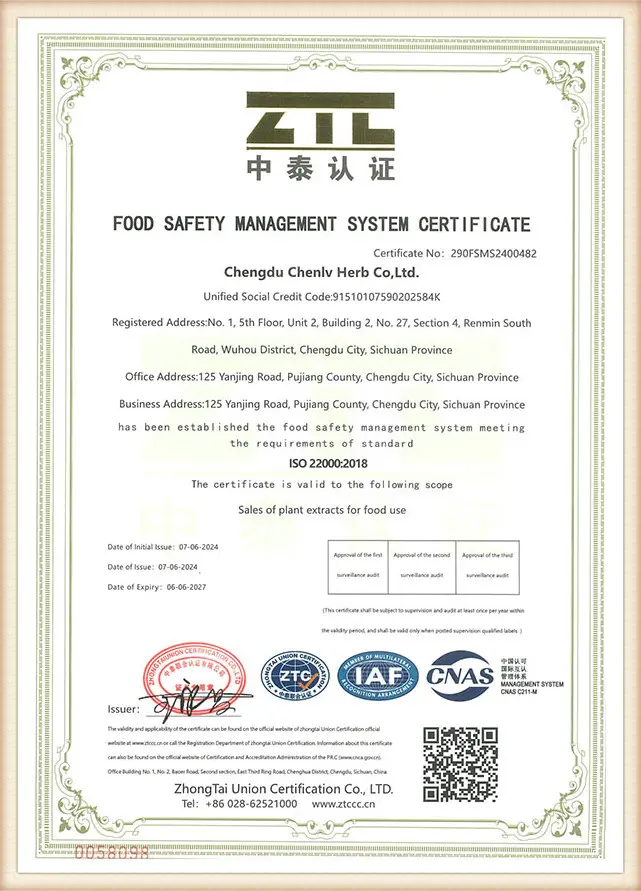
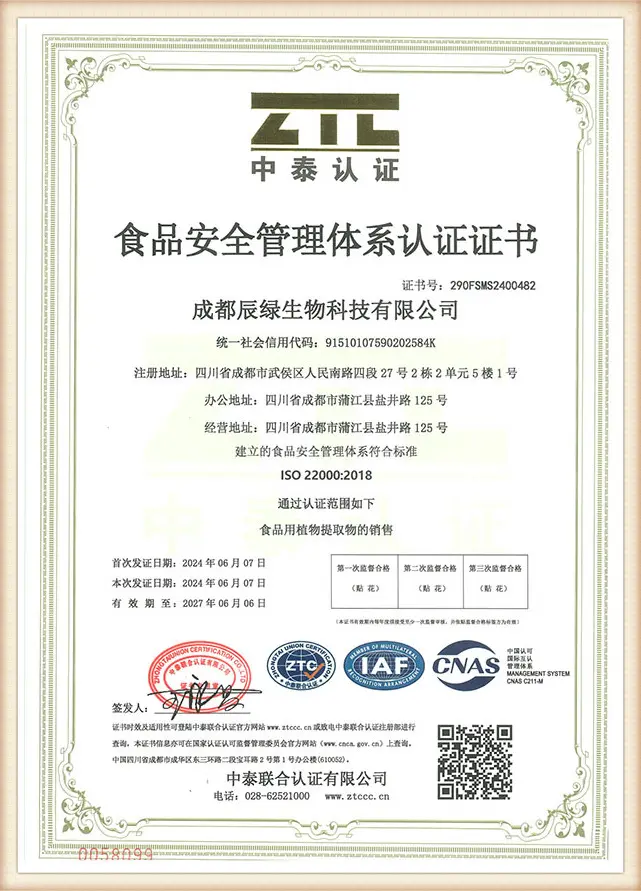
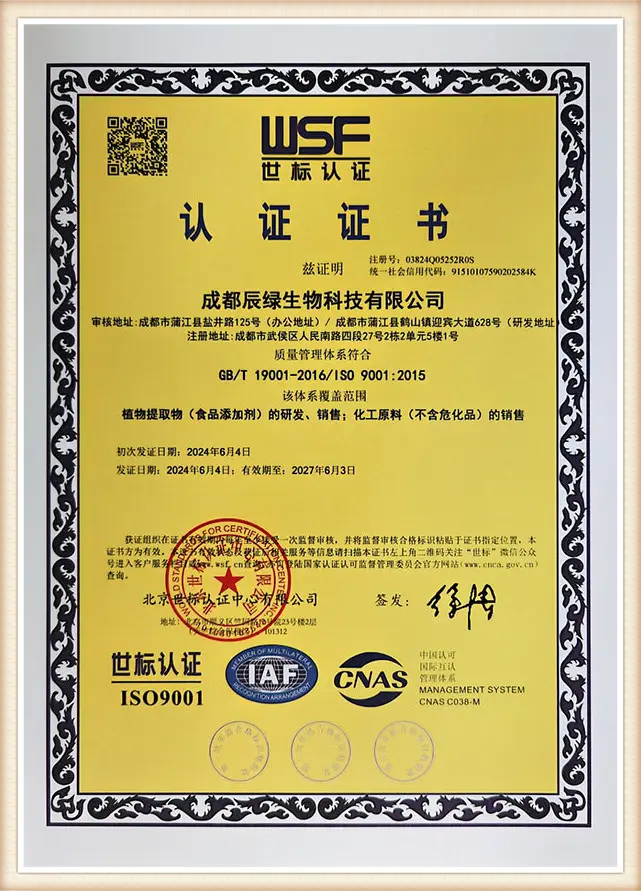
- Strict Regulatory Conformity: Complete certification including ISO9001, ISO22000, KOSHER, HALAL, and FDA registration, facilitating friction-free customs clearance and regulatory validation globally, including within the Vietnamese Ministry of Health.
4. Industry Trends & Emerging Application Scenarios
Three primary trends are currently reshaping the plant extract industry:
- Synergistic Blends: Moving away from single-ingredient formulations toward custom-developed, functional blends. For instance, pairing the metabolic block benefits of White Kidney Bean Extract with the energy-supporting adaptogenic properties of Rhodiola Rosea.
- Nanotechnology & Bioavailability: Enhancing the water solubility and cell absorption rates of lipophilic active compounds (such as Icariin from Epimedium or Andrographolides from Andrographis) through microencapsulation and liposomal carrier systems.
- Eco-solvent Extraction: Phasing out toxic solvents (like hexane or methanol) and replacing them with green solvent alternatives including clean water, food-grade ethanol, and supercritical carbon dioxide (CO2) extraction.