 Chenlv Herb
Strategic Integration of Botanical Science in Tokyo's Industrial Markets
Tokyo stands at the global center of research, pharmaceutical synthesis, and premium cosmetic formulation. The Greater Tokyo Area, encompassing major biochemical parks, J-Beauty R&D centers, and leading functional food companies, maintains some of the most rigorous bio-quality controls globally. For international and local plant extract procurement officers, establishing a seamless channel with accredited botanical manufacturers is critical. This whitepaper analyzes the commercial landscape of Tokyo's plant extract industry, outlines compliance parameters, explores modern extraction technologies, and addresses standard procurement bottlenecks.
"The convergence of clean-label movements, aging demographics (silver society), and strict PMDA compliance creates a highly demanding bio-ingredient ecosystem in Japan. Successful procurement requires deep technical alignment between production facilities and localized Japanese technical teams."
Tokyo's Industrial and Commercial Plant Extract Landscape
In Tokyo, the industrial utilization of plant extracts is driven by three main sectors: Kampo-inspired medicine manufacturing, functional cosmetics (J-Beauty), and FOSHU (Foods for Specified Health Uses) dietary supplements. Under Japan's Ministry of Health, Labour and Welfare (MHLW), ingredients imported into Tokyo ports must comply with the strict *Positive List System* for agricultural chemicals. This system imposes default tolerances of 0.01 ppm for substances without specific standards, requiring botanical extract manufacturers to maintain advanced chromatography capabilities (HPLC, GC-MS/MS, and LC-MS/MS) to verify purity before shipment.
Furthermore, Tokyo’s consumer market prioritizes transparency. Whether sourcing Rhodiola Rosea Extract for stress-adaption formulations or Green Tea Extract rich in Epigallocatechin Gallate (EGCG) for weight management, buyers demand full traceability back to the cultivation origin. Documented proof of non-GMO status, heavy metal limits (particularly Arsenic < 2.0 ppm and Lead < 1.0 ppm), and low microbial load are mandatory elements of any technical dossier submitted to regulatory authorities in Koto-ku, Shinagawa, or Chiyoda-ku research facilities.
Key Quality Specifications for Tokyo Procurement
To ensure smooth customs clearance and formulation consistency, suppliers must adhere to standardized assays. Below is a reference grid outlining standard botanical materials utilized across Tokyo's life-science sectors:
| Active Botanical Ingredient | Standard Specification (Assay) | Primary Application in Japan | Regulatory Certifications Required |
|---|---|---|---|
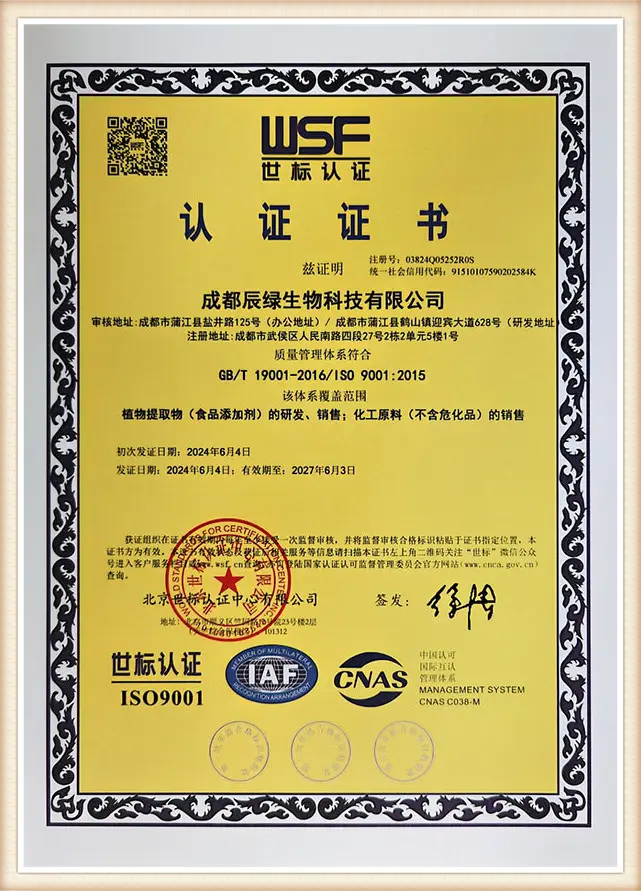
| Macleaya Cordata Extract | Sanguinarine & Chelerythrine ≥ 60% | Natural antimicrobial and veterinary feed additive alternatives | ISO9001, FDA, REACH registered |
| Olive Leaf Extract | Oleuropein 10% - 40%, Hydroxytyrosol | Cardiovascular support and J-Beauty anti-aging cosmetics | HALAL, KOSHER, Non-GMO |
| Rhodiola Rosea Extract | Salidroside ≥ 3%, Rosavins ≥ 3% | Adaptogenic energy capsules and cognitive support beverages | CE Certification, USP/EP grade |
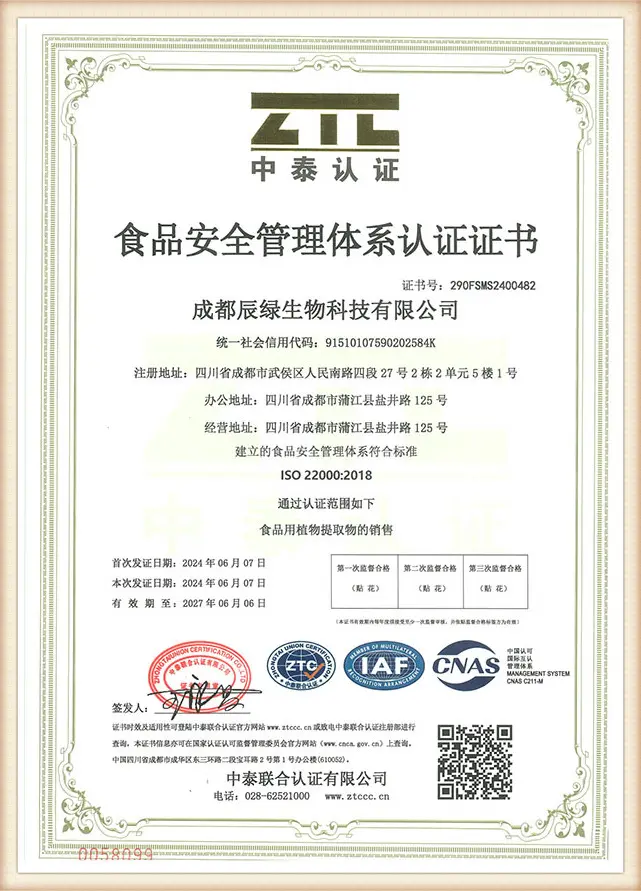
| Green Tea Leaf Extract | Polyphenols ≥ 98%, EGCG ≥ 50% | FOSHU registered fat-burn formulas & antioxidant foods | ISO22000, organic certification |
| Ginseng Leaf Extract | Ginsenosides 10% - 80% (HPLC/UV) | Vitality formulations, traditional tonics, and hair care | FDA Registered, Traceable Origin |
Global Botanical Extraction Trends & Technology Solutions
Modern extraction has evolved past simple solvent maceration. To fulfill the high-potency requirements of Tokyo biotech companies, manufacturers employ advanced technologies:
1. Supercritical CO2 Fluid Extraction
This technique is highly preferred for heat-sensitive lipophilic compounds. Utilizing carbon dioxide above its critical temperature and pressure ensures that no toxic solvent residues remain in the final product. It is highly suitable for premium skin care lipids and pure essential compounds that require clean-label credentials.
2. Membrane Separation and Concentration
Utilizing ceramic microfiltration and ultrafiltration allows for the molecular fractionation of botanical juices. This step removes high-molecular-weight starches and proteins that cause cloudiness in liquid formulations, resulting in highly soluble powders perfect for RTD (Ready-To-Drink) functional tea formulations distributed in Tokyo's retail grids.
3. High-Performance Bio-Standardization
Every batch of raw extract undergoes fingerprint analysis to ensure compound uniformity. Batch-to-batch consistency is the primary metric by which Tokyo buyers evaluate global exporters. Advanced HPLC verification ensures that therapeutic compound levels remain consistent regardless of harvest season variations.
Localized Compliance Support & Japan Logistics Channel
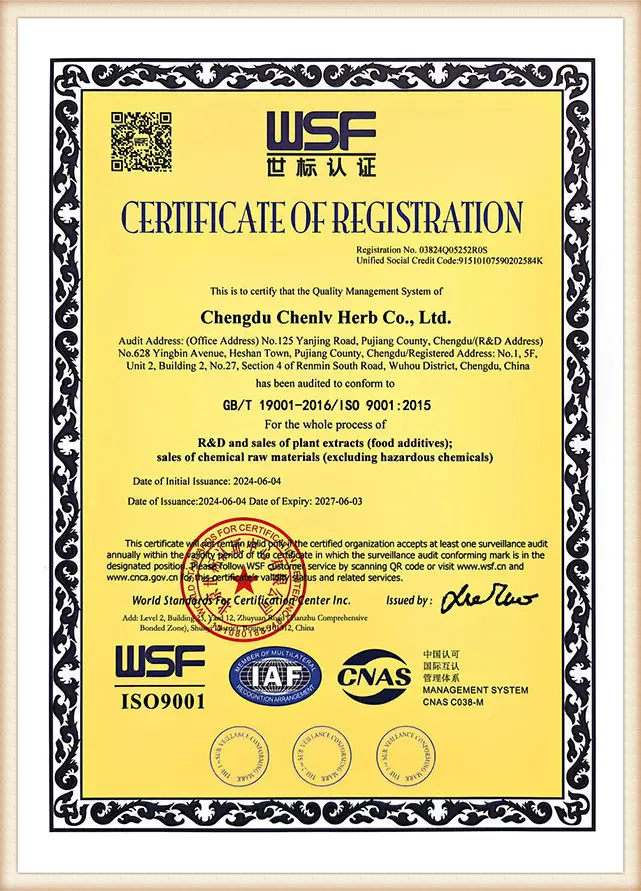
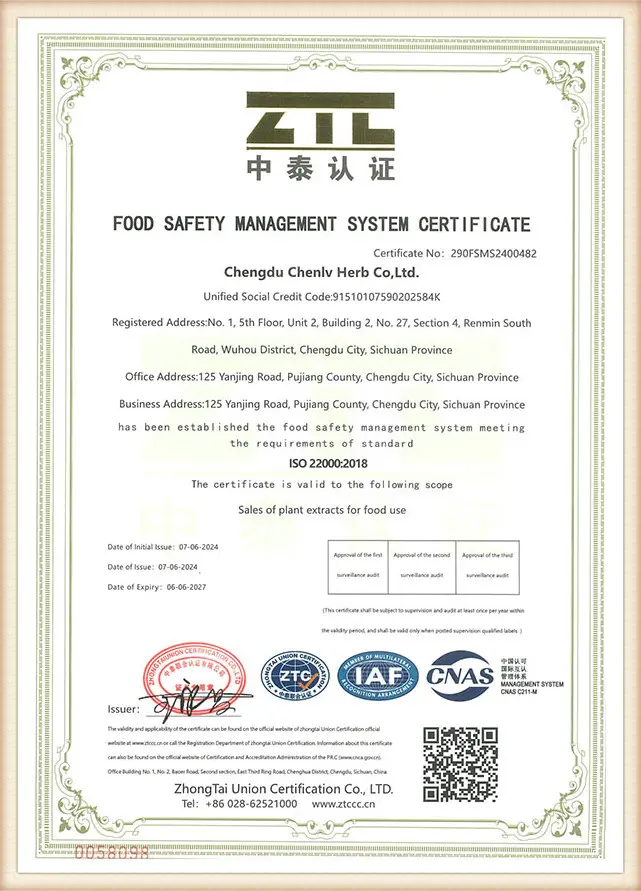
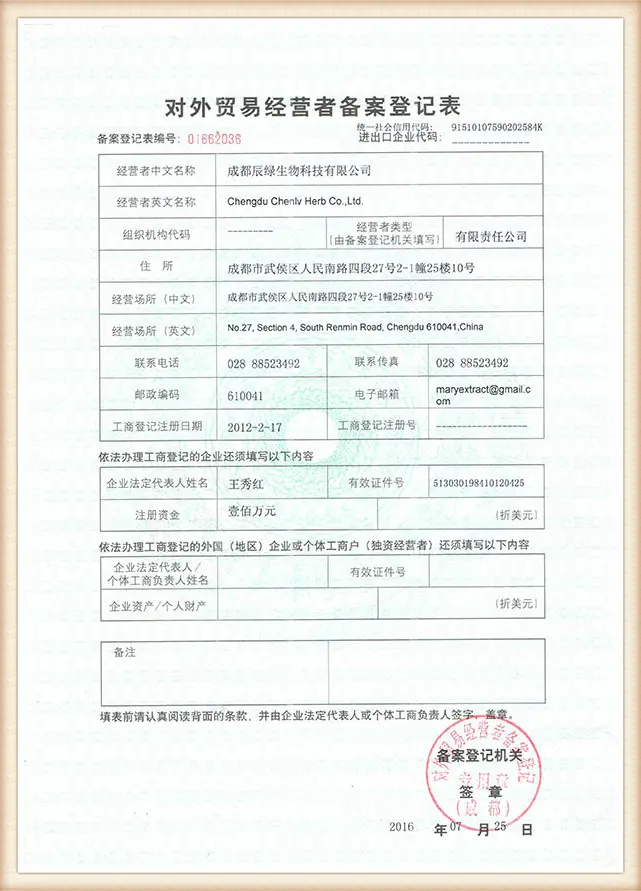
Navigating the import process through Tokyo port customs or Narita air hubs requires meticulous document preparation. Chengdu Chenlv Herb Co., Ltd. provides comprehensive documentation support, including Allergen Statements, TSE/BSE Free declarations, Pesticide residue analysis reports confirming compliance with Japan's Positive List, and Material Safety Data Sheets (MSDS). For high-value cosmetic actives, we ensure that INCI (International Nomenclature Cosmetic Ingredient) names and Japanese cosmetic ingredient codes are fully aligned, minimizing administrative delays.
Our logistics pipeline supports air freight and sea freight options, utilizing temperature-controlled container shipments (Reefers) to prevent active ingredient degradation during summer shipping lanes. By partnering with experienced customs brokers, we ensure seamless delivery to your facilities across Tokyo, Kanagawa, and Saitama prefectures.