 Chenlv Herb

Whitepaper: Natural APIs in the Berlin & European Market Ecosystem
In the contemporary landscape of global healthcare and biotechnology, the integration of Natural Active Pharmaceutical Ingredients (APIs) has evolved from a niche alternative into a cornerstone of advanced drug formulation and health product engineering. Within the European Union, Germany stands as a prominent destination for botanical API consumption and development. Specifically, the Berlin-Brandenburg metropolitan region represents a key cluster where biotechnology startup culture, pharmaceutical production, and research excellence intersect.
1. Berlin's Biotech & Phytopharmaceutical Industrial Landscape
The Berlin-Brandenburg region houses one of the largest concentrations of life science clusters in Europe. With over 300 biotech companies, 30+ pharmaceutical giants, and world-class academic entities like the Charité - Universitätsmedizin Berlin, the area focuses intensely on next-generation clinical developments. German phytomedicine manufacturers (Hersteller) demand natural APIs that are not only highly bioavailable but also fully documented with precise chromatography profiles (HPLC/GC-MS) to guarantee consistent efficacy. Sourcing high-purity natural compounds has therefore become a key bottleneck for local procurement teams seeking to mitigate risks and achieve fast-to-market iterations.
2. Global Sourcing Dynamics: From Bulk Extraction to Molecular Precision
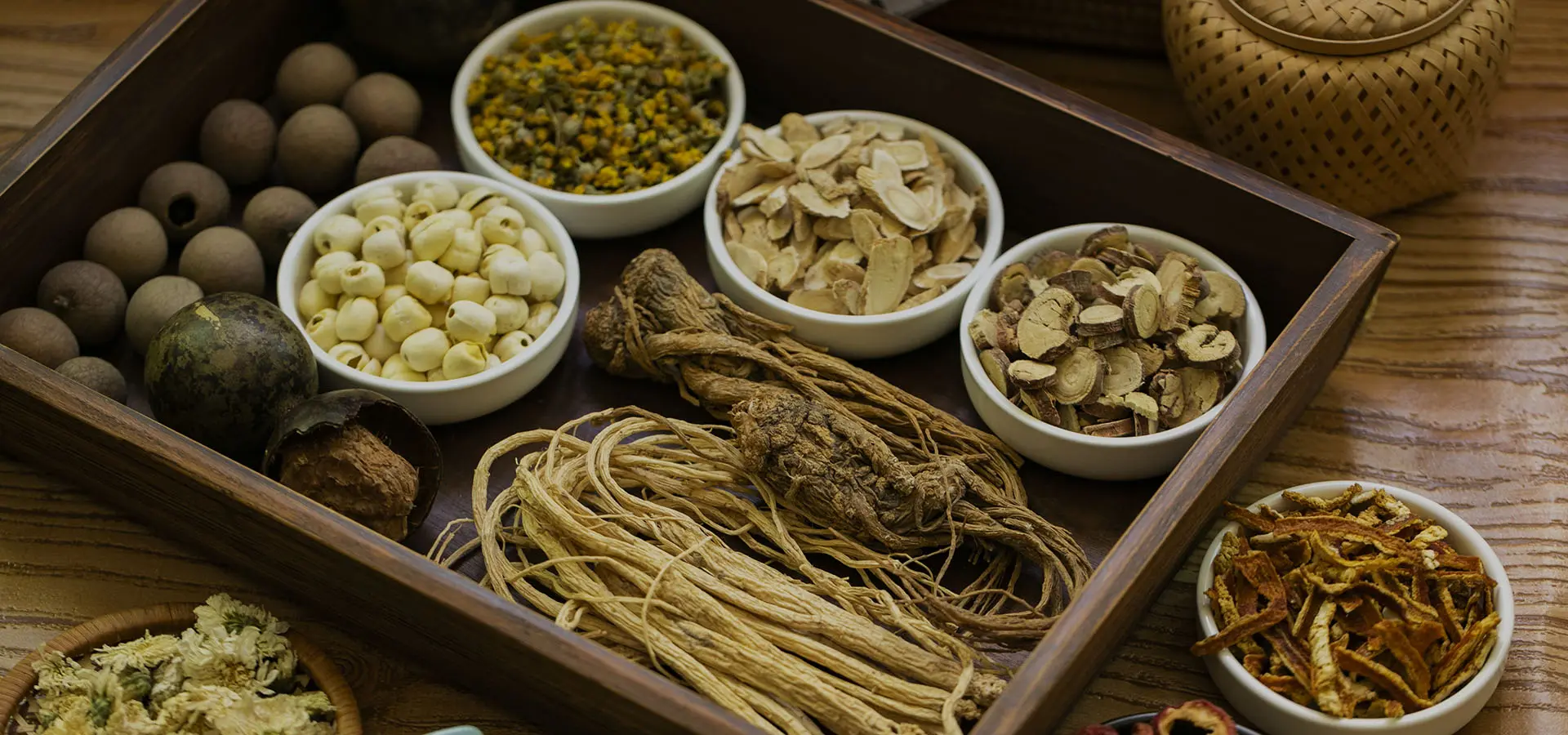
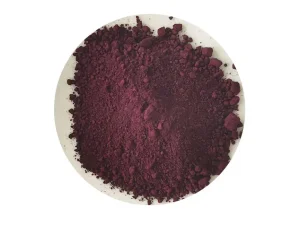
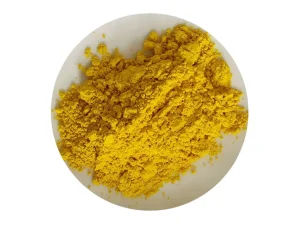
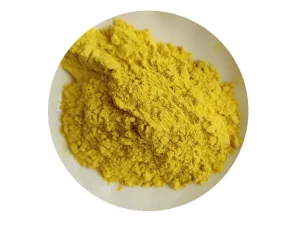
The global phytotherapy market is moving rapidly towards isolated chemical compounds derived from natural sources rather than raw, unstandardized botanical powders. Berlin research institutes are developing treatments using refined plant molecules such as Berberine HCL for metabolic health and Troxerutin for vascular system support. Sourcing these complexes globally requires partnering with manufacturers who possess the capacity to execute custom synthesis, molecular separation, and standardized batch runs. This meets the criteria for both Novel Foods and EU-GMP pharmaceutical intermediates.
3. China Factory 4.0: Supply Chain Resilience & Extraction Efficiency
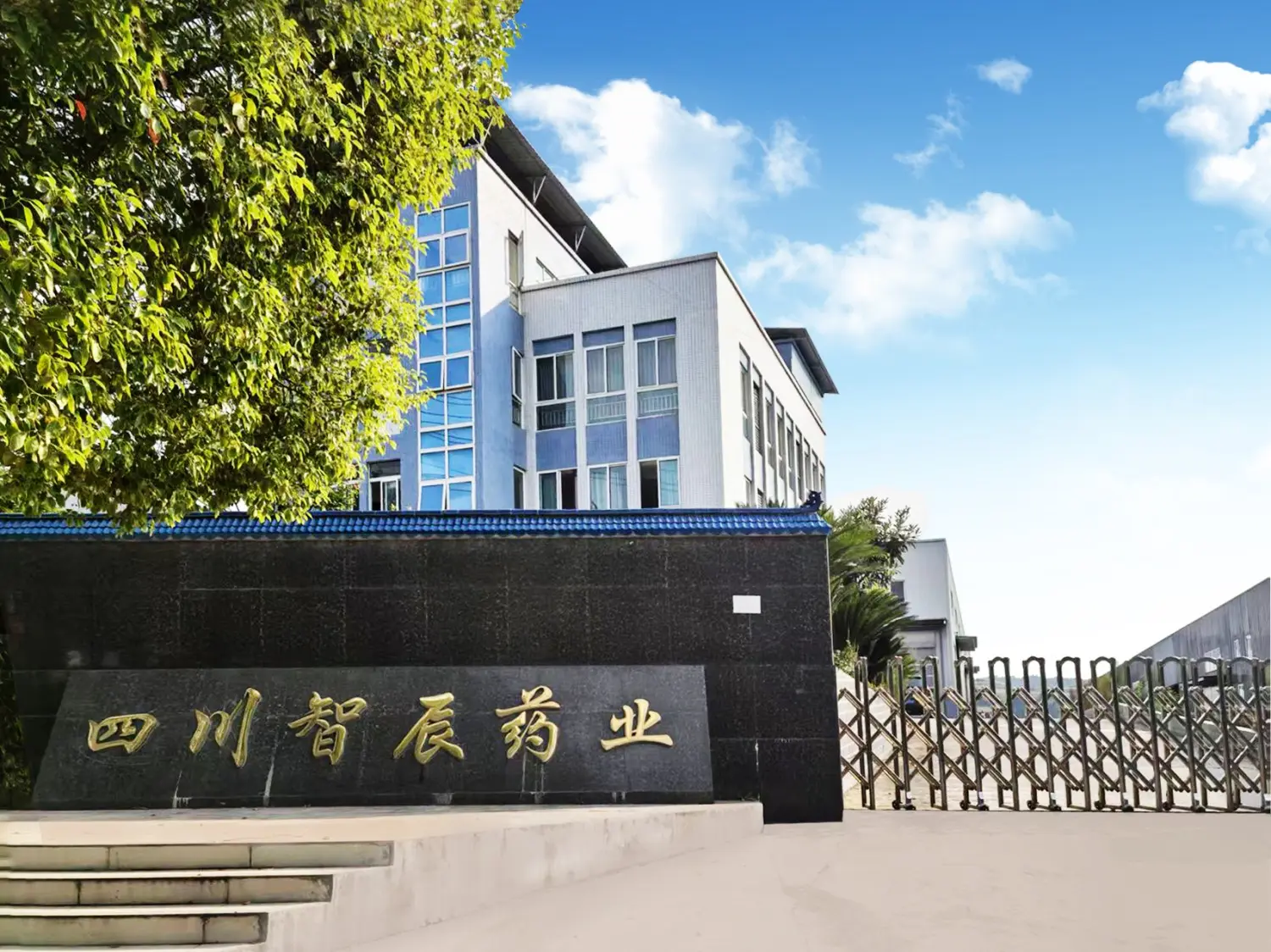
China's botanical extraction sector has undergone a digital transformation. The integration of Industry 4.0 principles—such as PLC-controlled continuous countercurrent extraction, real-time residue monitoring, and automated crystallization technologies—has repositioned Chinese producers as key strategic partners. This smart factory setup ensures unmatched batch-to-batch consistency and addresses the major pain points of German buyers: supply chain bottlenecks, compliance gaps, and high pricing. By leveraging optimized raw material sourcing from native regions in Western China and utilizing automated mass-scale extraction plants, these Factory 4.0 facilities deliver superior cost efficiencies while meeting stringent EU standards for heavy metals, pesticides, and PAHs.
4. Sustainability, Clean Label, & The Green Deal
The European Green Deal is driving major regulatory updates across German logistics and manufacturing sectors. Modern buyers require suppliers who show a strong commitment to environmental sustainability. This involves reducing carbon footprints during cultivation, using eco-friendly solvents (such as supercritical CO2 or subcritical water extraction), and ensuring full traceability from seed to active compound. Sourcing teams in Berlin now actively score and prioritize suppliers based on these ecological metrics, recognizing that sustainable production is a core requirement for European consumers.